Wet Rot Survey in London, Kent & East Sussex
Professional Wet Rot Investigation & Timber Decay Assessment Across London, Kent and East Sussex
Wet rot is one of the most common forms of timber decay found in UK properties. Although less aggressive than dry rot, it can still cause significant structural deterioration if left unresolved. Wet rot is always a sign of excess moisture, and identifying the source of that moisture is essential for long‑term protection.
At Damp Solve Surveying, we provide qualified wet rot surveys that deliver accurate diagnosis, clear reporting, and practical recommendations. Our investigations are trusted by homeowners, landlords, agents, and property professionals.
What Is Wet Rot?
Wet rot is a group of fungi that attack timber with elevated moisture content, typically above 20–30%. Unlike dry rot, wet rot does not spread through masonry or travel long distances but it can still cause:
- Loss of structural strength
- Crumbling or softened timber
- Localised decay in floors, joists, and joinery
- Long term deterioration if moisture remains present
Wet rot is a symptom of a moisture problem, not the cause. Correct diagnosis requires understanding both the fungus and the conditions enabling it.
Why Wet Rot Occurs
Wet rot develops when timber remains damp for extended periods. Common causes include:
Leaking roofs, gutters, or downpipes
Defective pointing or masonry
High external ground levels
Bridged damp proof courses
Plumbing leaks
Poor sub floor ventilation
Condensation and humidity
Water ingress into concealed voids
Damp basements or cellars
Identifying the moisture source is essential treating the timber alone will not prevent recurrence.
Why a Professional Wet Rot Survey Matters
A proper wet rot survey helps you:
01
Identify the exact type and extent of decay
02
Understand the moisture source feeding the fungus
03
Avoid unnecessary or ineffective treatments
04
Protect the structural integrity of your property
05
Prevent further deterioration
06
Receive clear, independent advice
07
Support mortgage, insurance, or pre purchase requirements
Many clients discover wet rot only after noticing soft floors or damp smells. Our surveys provide clarity, accuracy, and confidence.
Common Signs of Wet Rot
You may need a wet rot survey if you’ve noticed:
- Soft, spongy, or crumbling timber
- Darkened or discoloured wood
- Localised decay in floors or skirting boards
- Peeling paint or blistering finishes
- Musty or damp odours
- Damp patches on walls or floors
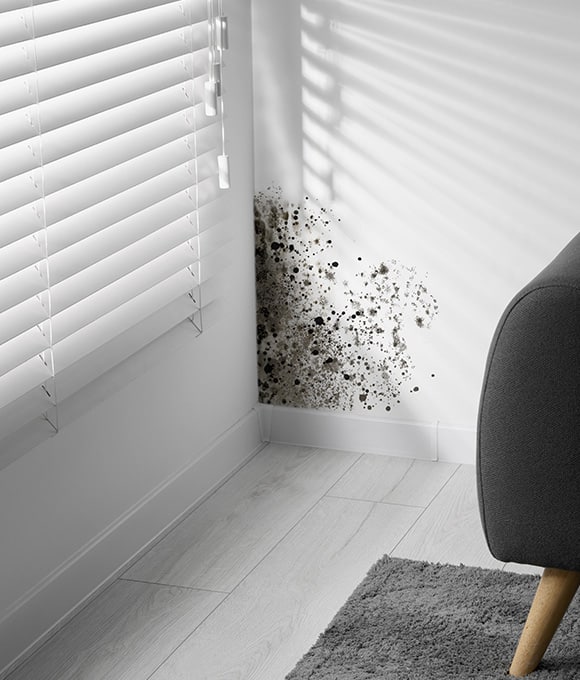
- Visible fungal growth (usually black or brown)
- Springy or uneven floorboards
- Persistent dampness in sub floor areas
Wet rot often develops in concealed areas so early diagnosis prevents further damage.
What We Check During a Wet Rot Survey
Your survey includes a comprehensive inspection of:
Timber Condition
- Floor joists, wall plates, and structural timbers
- Skirting boards, architraves, and joinery
- Roof timbers (where accessible)
- Timber moisture content and decay patterns
Moisture Sources
- Leaks, plumbing defects, and water ingress
- Sub floor ventilation performance
- Damp proof course bridging
- External defects (pointing, gutters, ground levels)
- Condensation and humidity issues
Environmental Conditions
- Humidity and temperature
- Airflow pathways
- Thermal bridging and cold spots
Diagnostic Tools Used
- Hygrometers
- Moisture meters
- Borescopes (where required)
- Thermal imaging (optional add on)
- Data logging (optional add on)
- Ventilation testing (optional add on)
How We Diagnose Wet Rot
Our structured approach includes:
Initial consultation
Understanding the history, symptoms, and concerns.
Internal inspection
Assessing visible timbers, finishes, and moisture patterns.
Sub floor or void inspection
Checking ventilation, moisture, and concealed timbers (where accessible).
Fungal identification
Distinguishing wet rot from dry rot or other decay types.
Moisture analysis
Identifying the source of dampness affecting the timber.
Extent and risk assessment
Determining structural implications and required repairs.
Recommendations
Providing clear, practical steps for treatment, repair, and prevention.
Report Includes
- Summary of findings
- Fungal identification and decay assessment
- Moisture readings and analysis
- Photographs and evidence
- Structural risk assessment
- Practical recommendations for repair
- Guidance on moisture control and ventilation
- Optional add on results (thermal imaging, data logging, ventilation testing)
Reports are written in a clean, modern, easy‑to‑understand format suitable for contractors, insurers, and property professionals.
Who This Service Is For
Our wet rot surveys are ideal for:
Homeowners concerned about timber damage
Buyers needing clarity before purchase
Landlords and agents managing tenant issues
Properties with damp, mould, or ventilation issues
Surveyors requiring specialist input
Older buildings with concealed timber structures
Why Choose Damp Solve
CSRT qualified timber specialist
Over a decade of diagnostic experience
Independent, evidence based advice
No unnecessary chemical treatments
Clear, premium quality reporting
Coverage across London & the South East
Trusted by homeowners, agents, and professionals
Optional Add Ons
Enhance your damp survey with advanced diagnostics
Thermal Imaging
Identifies hidden moisture affecting timber
Data Logging
Ventilation Testing
FAQ
Frequently Asked Questions
Is wet rot serious?
Yes — it can weaken structural timbers if left untreated.
Is wet rot the same as dry rot?
No — wet rot is less aggressive and does not spread through masonry.
Can wet rot be repaired?
Yes — once the moisture source is resolved, affected timbers can be repaired or replaced.
Do you offer treatment?
We provide independent advice and can recommend trusted contractors if needed.
Is a wet rot survey needed for a mortgage?
Yes — lenders often require specialist timber reports before releasing funds.