Thermal Imaging • Data Logging • Ventilation Testing Advanced Moisture & Airflow Diagnostics Across London, Kent and East Sussex
Our add‑on diagnostic services provide deeper insight into moisture behaviour, airflow performance, and thermal efficiency within your property. These optional extras enhance any damp, timber, condensation, or waterproofing survey, giving you stronger evidence, clearer diagnosis, and more accurate recommendations.
Whether you’re dealing with a complex moisture issue, a tenant dispute, a mortgage requirement, or simply want the most comprehensive assessment possible, these tools offer precision, clarity, and confidence.
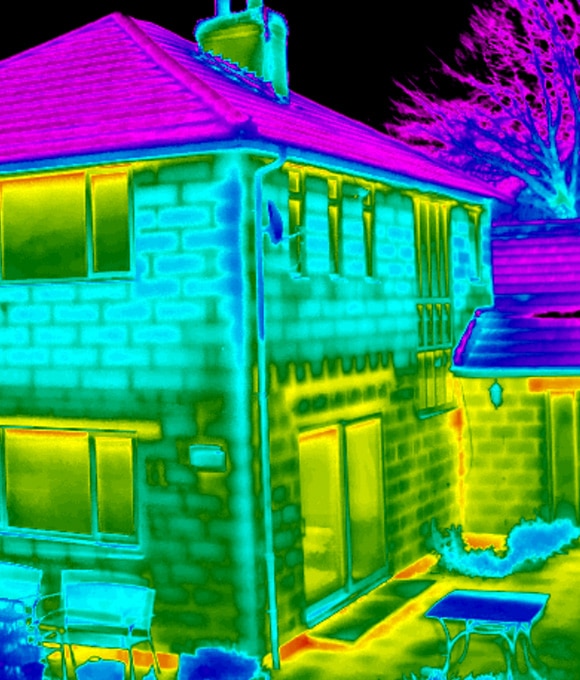
Thermal imaging is a powerful diagnostic tool that reveals temperature variations across walls, ceilings, floors, and junctions. These variations help identify issues that may not be visible to the eye, including:
Hidden moisture behind plaster or finishes
Cold bridging and thermal weak points
Insulation defects or missing insulation
Air leakage and draught pathways
Areas at risk of condensation
Dampness masked by recent decoration
Using a high‑resolution thermal camera, we capture detailed thermal images that help pinpoint the exact location and cause of moisture or heat loss.
Why Thermal Imaging Helps
Thermal imaging provides:
Non invasive investigation
no need to open walls or lift floors
Clear visual evidence
for reports, contractors, or insurers
Accurate identification of cold spots
contributing to condensation
Enhanced diagnosis
for damp, mould, and waterproofing issues
This add‑on is particularly valuable for condensation, and hidden leak investigations.
Data Logging
Monitor Humidity, Temperature & Dew‑Point Over Time
Data logging provides long‑term monitoring of environmental conditions within your property. Small, discreet sensors are installed for a set period (typically 7–14 days) to record:
Humidity levels
Temperature variations
Dew point conditions
Heating patterns
Ventilation performance
Daily moisture behaviour
This produces a detailed dataset showing how the property performs under real-world living conditions, rather than simply at the time of the survey. This can be particularly useful in landlord and tenant disputes where long-term environmental conditions need to be evidenced.
Why Data Logging Helps
Data logging is ideal for:
Condensation and mould disputes (landlord vs tenant)
Properties with inconsistent heating or ventilation
Flats and apartments with limited airflow
Complex moisture issues that vary throughout the day
Providing evidence for insurers, agents, or solicitors
Your final report includes graphs, analysis, and clear conclusions based on actual environmental performance.
Ventilation Testing
Measure Extractor Fan Performance & Airflow Rates
Ventilation testing measures the performance of extractor fans and airflow pathways using a vane anemometer. Poor ventilation is one of the most common causes of condensation and mould, and this add‑on provides measurable, objective data on how well your ventilation system is working.
We test:
Bathroom extractor fans
Kitchen extractors
Utility room ventilation
Passive vents and trickle vents
Airflow pathways between rooms
Sub floor ventilation (where accessible)
Why Ventilation Testing Helps
Ventilation testing provides:
Accurate airflow readings
in litres per second (L/s)
Performance ratings
against Building Regulations
Clear evidence
for tenant disputes or compliance checks
Identification
of underperforming or faulty extractors
Practical recommendations
for improving airflow
This add‑on is particularly valuable for condensation, mould, bathroom moisture issues, and rental properties.
Why Add These Services?
These diagnostic extras provide:
More accurate identification of root causes
Clearer evidence for contractors, insurers, or landlords
Stronger, data driven recommendations
Reduced risk of misdiagnosis or unnecessary work
Greater confidence in the final report
Enhanced clarity for disputes or compliance requirements
Each add‑on can be selected individually or combined for a comprehensive diagnostic package.
Who This Service Is For
These services are ideal for:
Homeowners with persistent damp or mould
Buyers needing clarity before purchase
Landlords and agents managing tenant issues
Properties with damp, mould, or ventilation issues
Surveyors requiring specialist input
Basement and waterproofing investigations
Disputes requiring clear, objective evidence
Why Choose Damp Solve
CSRT & CSSW qualified specialist
Over a decade of diagnostic experience
Independent, evidence based advice
Premium, clear, modern reporting
Coverage across London & the South East
Trusted by homeowners, agents, and professionals
FAQ
Frequently Asked Questions
Do I need add ons for every survey?
Not always — they are recommended for complex or unclear cases.
Is thermal imaging invasive?
No — it is completely non‑invasive and does not damage surfaces.
How long does data logging take?
Typically 7–14 days depending on the issue.
Do you test extractor fans to Building Regulations?
Yes — we compare airflow readings to current standards.
Are these add ons useful for disputes?
Absolutely — they provide objective, measurable evidence.